Diesel Contamination Kit Symptoms to Watch

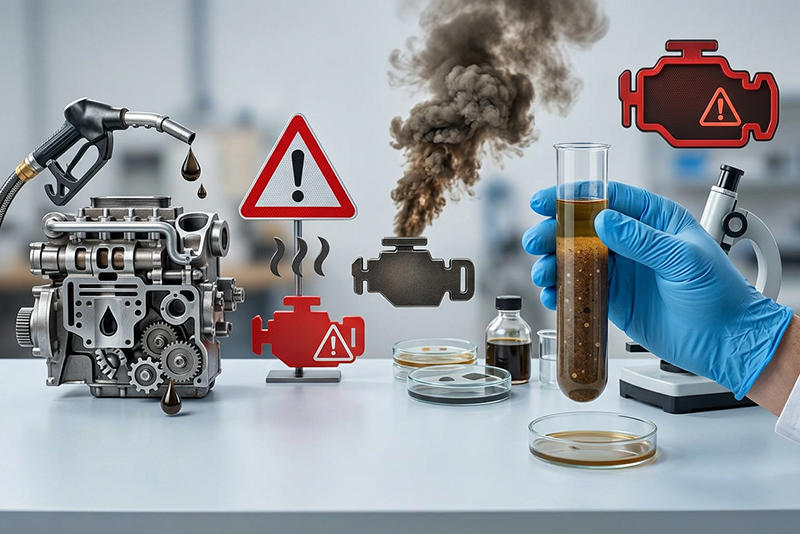
A truck that starts hard in the morning, idles rough under load, or suddenly drops power on a pull is usually telling you something before it quits completely. In many cases, diesel contamination kit symptoms show up well before a full fuel system failure, but they get missed because the first signs can look like a bad injector, weak pump, or electrical issue.
What diesel contamination kit symptoms usually mean
When technicians talk about contamination in a diesel fuel system, they are usually dealing with metal shavings, rust, water damage, degraded fuel, or internal pump material that has moved downstream. Once that debris circulates, the problem is no longer limited to one part. It can affect the high-pressure pump, rails, lines, injectors, regulator components, and sometimes the tank side depending on the failure.
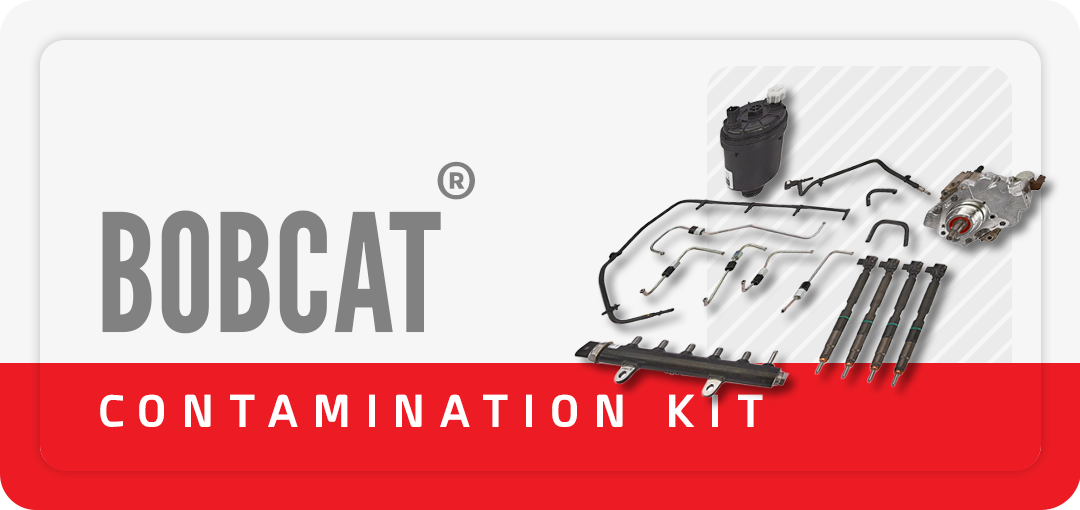
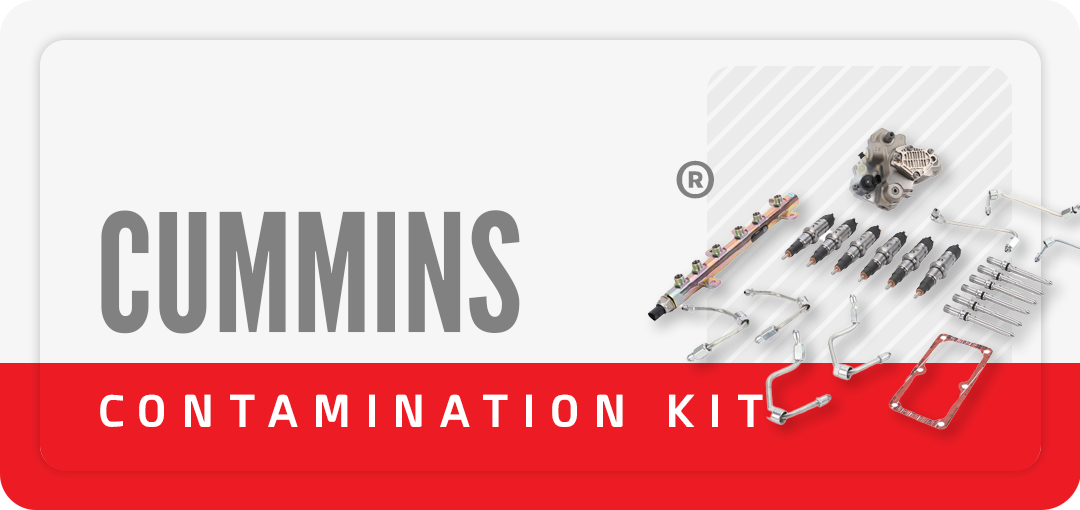
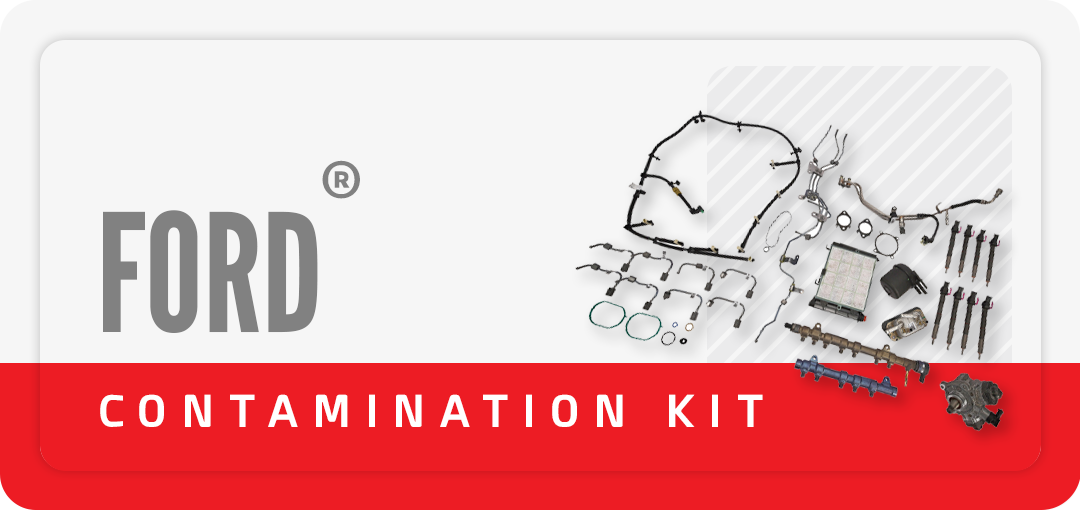
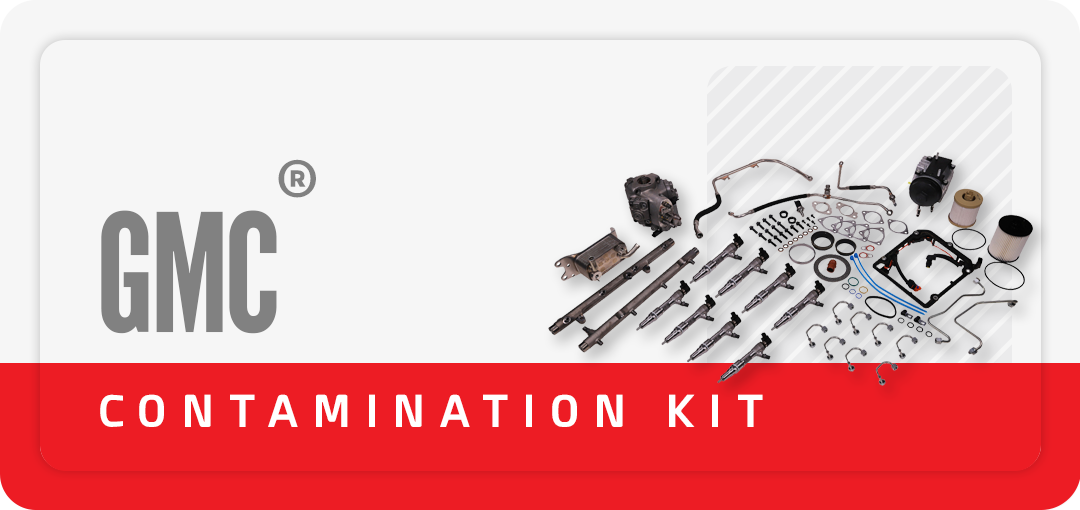
That is why a contamination kit exists in the first place. It is meant to replace the parts most likely to hold or spread debris after a failure. Installing a single injector or swapping only the pump can leave contamination behind, and that often leads to a comeback repair nobody wants.
The exact symptom pattern depends on the engine platform, the type of contamination, and how long the truck has been run after the initial failure. A lightly contaminated system may still run, just poorly. A heavily contaminated system may crank without starting or go into a severe derate.
Common diesel contamination kit symptoms on the truck
One of the first signs is hard starting, especially after the truck sits. If pressure is unstable because injectors are scored or the pump is damaged internally, the engine may need extended cranking before it lights off. In colder weather, that symptom gets worse and is easy to blame on glow plugs, batteries, or weather when fuel contamination is actually the root cause.
Rough idle is another major clue. A contaminated injector does not meter fuel cleanly. That can create an uneven idle, random miss, haze at startup, or a sharp diesel knock that was not there before. On common rail systems, even small debris can affect injector response enough to cause noticeable imbalance.
Power loss under load is also common. A truck may feel acceptable empty or at low RPM, then fall flat on a grade, surge under acceleration, or hesitate when the throttle is applied. This happens when the fuel system cannot maintain clean, stable high-pressure delivery. If contamination has damaged the pump or multiple injectors, the problem usually shows up hardest under load.
Fuel system noise can point in the same direction. A failing high-pressure pump may whine, tick, or make an abnormal metallic sound. Not every noisy pump is contaminated, but if you have noise plus hard starts, rail pressure issues, or injector performance problems, it deserves a closer look.
You may also see excessive smoke, but color matters. White smoke can show poor atomization or incomplete combustion. Black smoke may appear if fueling is inconsistent and air-fuel balance is off. Gray smoke can sit in the middle and make diagnosis less obvious. Smoke alone does not confirm contamination, but smoke paired with drivability issues is a strong warning sign.
The codes and test results that back it up
Check engine lights do not tell the whole story, but they help build the case. Low rail pressure, fuel pressure regulator performance, cylinder contribution imbalance, injector circuit-related faults, and misfire-style symptoms can all appear with a contaminated fuel system. The challenge is that these codes can overlap with several other failures.
That is where test results matter. If commanded rail pressure and actual rail pressure do not agree, especially under load, contamination-related pump or injector damage moves up the list. Return flow that is out of range can point to injector wear. Fuel samples with visible metallic material are an even bigger red flag.
On severe pump failures, technicians may find shiny debris in the filter housing, fuel rail, pressure relief components, or injector inlet screens. At that point, replacing one or two visible failures is not enough. The system has already shared the damage.
Why one bad part often turns into a full contamination repair
A high-pressure fuel system is not forgiving. Clearances are tight, pressures are high, and modern injectors do not tolerate trash in the fuel. Once metal or water damage gets into the system, every downstream component becomes a possible problem part.
This is where many repairs go sideways. A truck comes in with a bad pump, one injector is obviously failing, and the shop replaces only what looks worst. The engine runs again for a short time, then the remaining debris damages the replacement parts. That second failure costs more than doing the repair correctly the first time.
A contamination kit is built around that reality. Instead of treating the failure like an isolated component issue, it addresses the fuel path as a system. That is usually the right move after confirmed internal pump failure or widespread fuel contamination.
When a contamination kit is the right call
If the fuel system contains metal debris, the answer is straightforward. A contamination kit is usually necessary because the material has likely traveled throughout the high-pressure side. The same applies when water contamination has caused corrosion or injector scoring across multiple components.
If the truck has isolated symptoms with no debris found, no pump failure evidence, and test data pointing to a single component, a full kit may not be required. That is the trade-off. Not every rough idle means total system replacement. But once contamination is confirmed, partial repair is a gamble.
Shops and fleet managers should also consider downtime. A complete contamination repair costs more up front than replacing one part, but repeated failures, towing, missed deliveries, and labor duplication usually cost more in the long run. For working trucks, uptime is part of the repair decision.
What should be inspected before ordering parts
Before parts are ordered, the fuel filter should be cut open and inspected if practical. The tank should be checked for water, rust, algae, or incorrect fuel. Fuel lines and rails need to be evaluated for trapped debris. Injectors, pump, and pressure control components should be considered part of one system, not separate guesses.
It also matters how the failure started. A truck that was fueled from a questionable source may have water or poor fuel quality contamination. A truck with a CP4-style pump failure may spread metallic debris rapidly. A truck that sat for an extended period may have varnish, corrosion, or microbial growth issues instead. The source affects how far the damage has traveled and what absolutely needs replacement.
This is also the point where parts quality matters. If you are replacing injectors, pumps, or related fuel components, they need to be tested and application-correct. On electronically controlled systems, proper setup and calibration are just as important as the hard parts themselves.
Diesel contamination kit symptoms by severity
Mild symptoms usually include slightly extended crank time, occasional rough idle, light haze, and a small drop in power. The truck may still stay on the road, which is why these cases get postponed. That delay often makes the repair bigger.
Moderate symptoms usually show up as recurring pressure-related codes, poor throttle response, noticeable miss, and stronger smoke. At this stage, the truck may still move freight, but performance and reliability are already compromised.
Severe symptoms are harder to ignore. No-start, stall, heavy knocking, major derate, or visible metal in the system usually mean the contamination event has progressed well past a single-part repair. This is where a full contamination kit and system cleanup become the practical solution, not the expensive one.
Why acting early saves money
The longer a contaminated diesel fuel system runs, the more parts it takes with it. What starts as one damaged pump can become injectors, rails, lines, sensors, and repeat labor. For owner-operators, that means lost revenue. For fleets, it means preventable downtime and an avoidable hit to maintenance cost per mile.
If your truck is showing diesel contamination kit symptoms, the smart move is to diagnose the whole fuel system before ordering piecemeal parts. American Diesel Parts works with shops, truck owners, and fleets that need tested replacement components built for real repair work, not guesswork.
When the signs are there, do not wait for a no-start on the side of the road. Catch the contamination early, repair it completely, and get the truck back to work with confidence.